
Preparing Your Home for Winter: Electrical Safety Tips


Inspect Your Electrical System
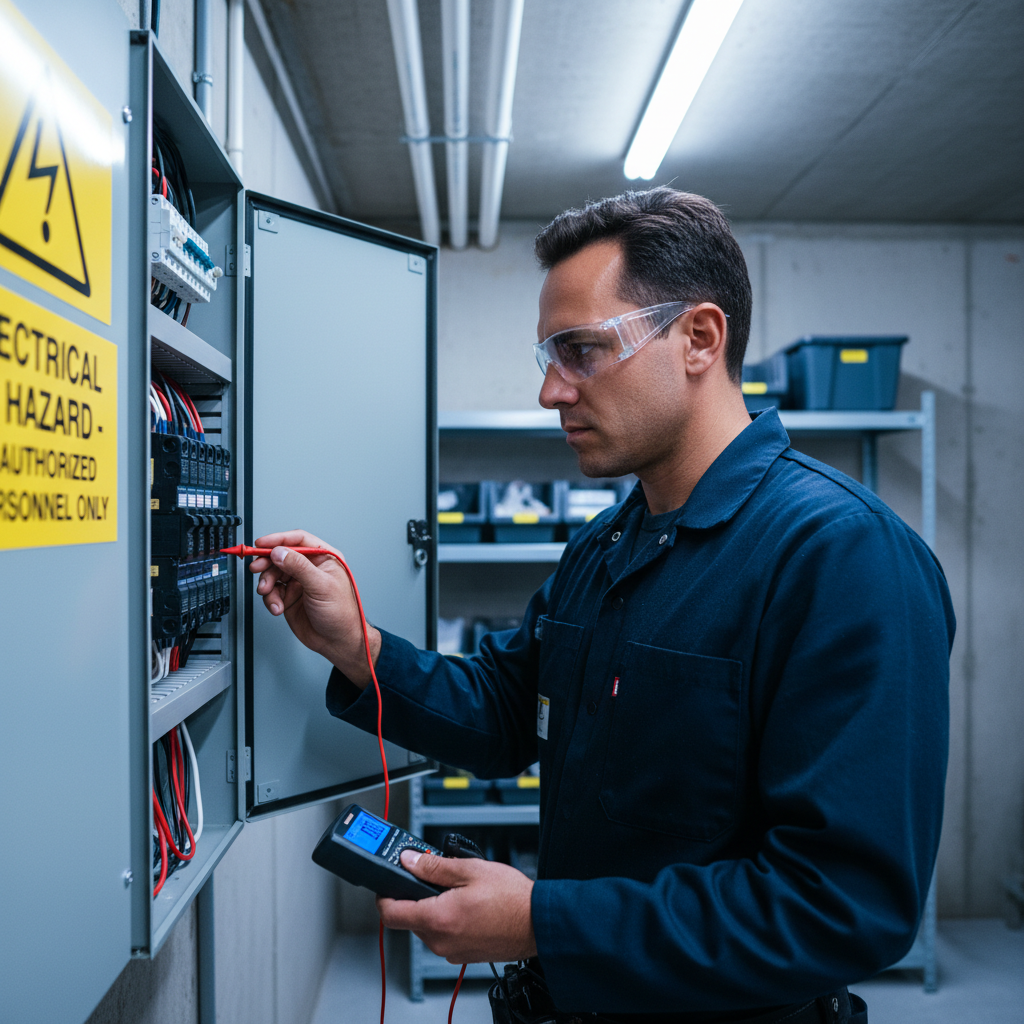
As the winter months approach, it's crucial to ensure that your home's electrical system is up to the task of handling increased usage. Start by inspecting your electrical panel for any signs of wear or damage. If you notice any frayed wires or unusual smells, it's essential to contact a licensed electrician immediately. This proactive step can prevent potential hazards and ensure your system is running efficiently.
Additionally, consider scheduling a professional inspection to assess the overall condition of your wiring and outlets. Old or faulty wiring can pose significant risks, especially when heating devices are in constant use during the colder months.
Check and Replace Smoke and Carbon Monoxide Detectors
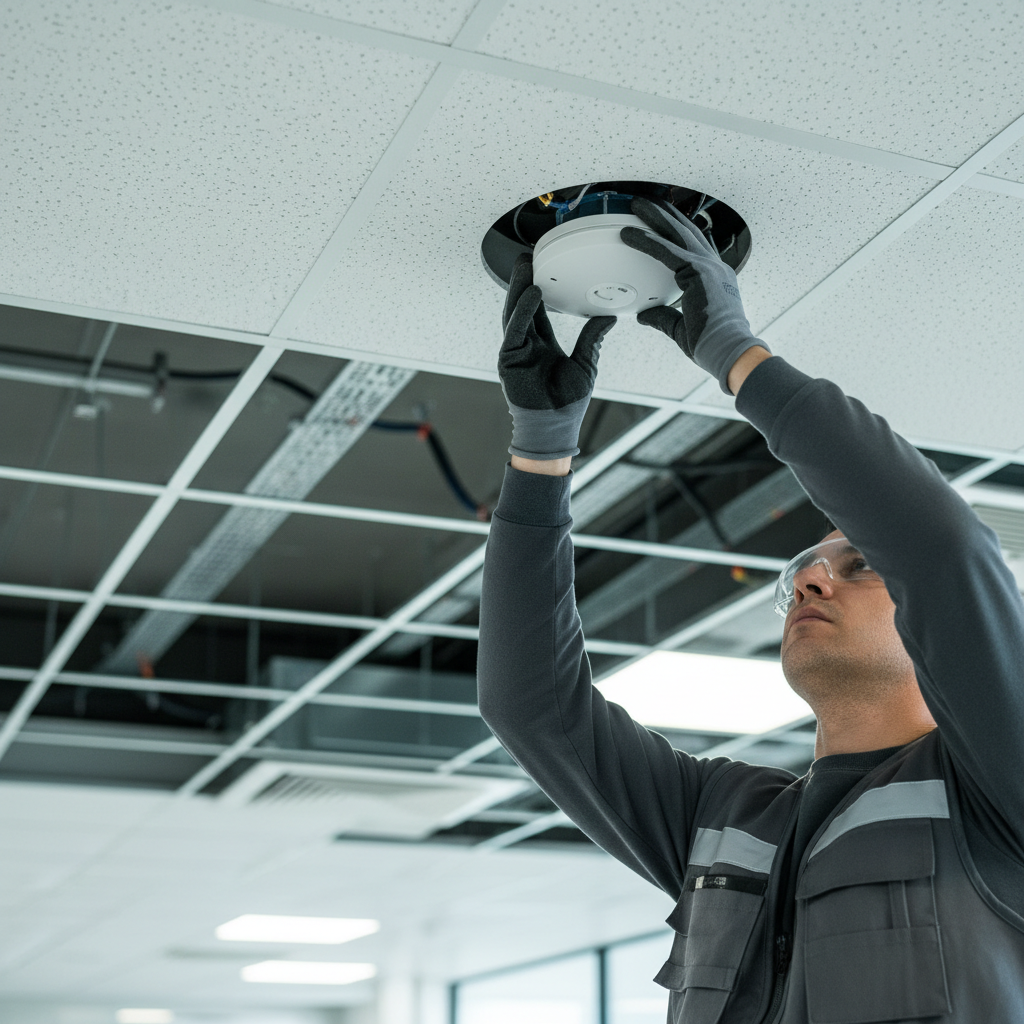
Winter is a time when the risk of fire and carbon monoxide poisoning can increase due to the use of heating equipment. Ensuring your smoke and carbon monoxide detectors are functioning correctly is critical for your family's safety. Check the batteries and replace them if needed. It's a good practice to test these devices monthly and replace them every 10 years to maintain optimal performance.
Consider installing interconnected smoke alarms, which all sound simultaneously when one detects smoke. This can provide an added layer of safety, giving you more time to respond in an emergency.
Be Mindful of Heating Devices
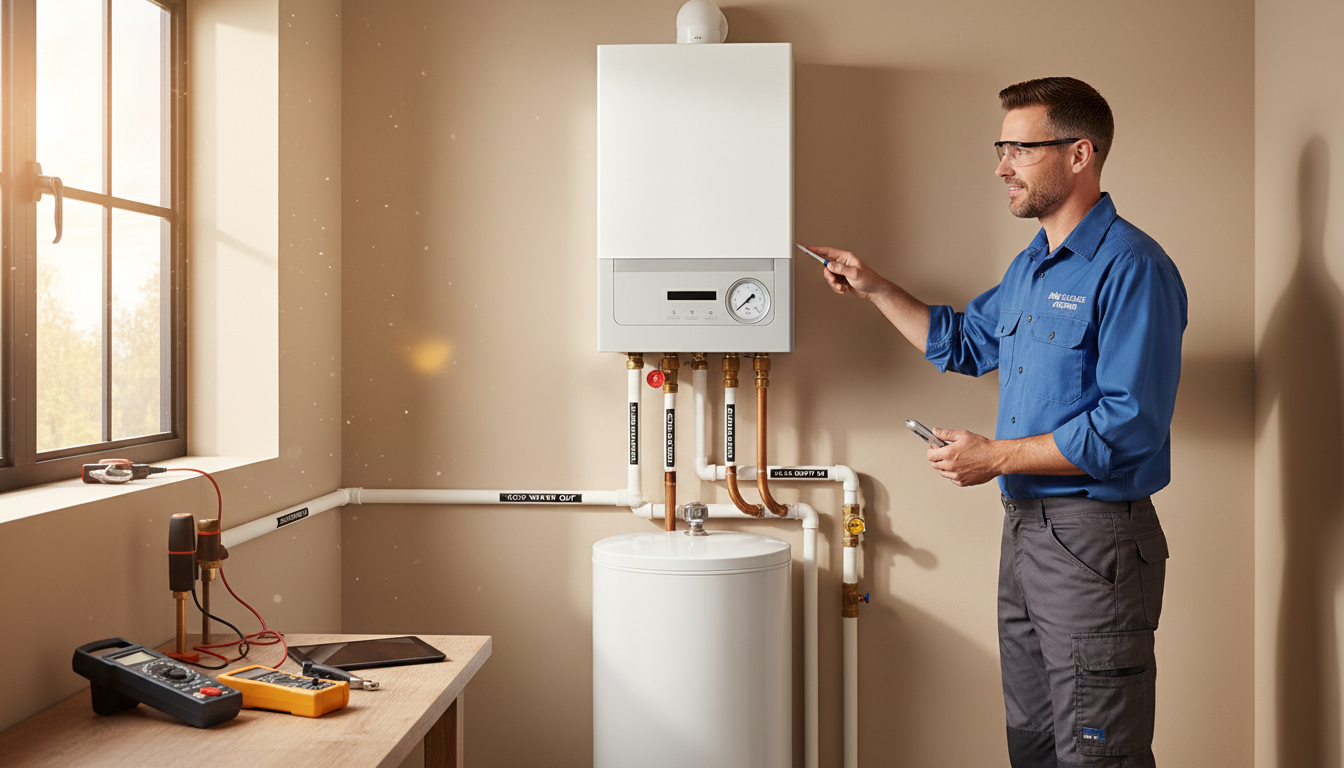
With the need to stay warm, many households rely on space heaters and electric blankets. While these devices are convenient, they can be dangerous if not used properly. Ensure space heaters are placed on a flat, stable surface and keep them at least three feet away from flammable materials like curtains and furniture.
Never leave heating devices unattended for extended periods, and always turn them off before going to bed or leaving the house. Regularly inspect electric blankets for signs of damage, such as frayed cords or scorch marks, and replace them if necessary.
Prevent Overloading Circuits
During winter, the demand for electricity increases, often leading to overloaded circuits. To avoid this, distribute electrical devices across different outlets and circuits. Be cautious not to plug too many high-wattage appliances into a single outlet or power strip.
If you're unsure about the capacity of your electrical system, consult with a professional to make necessary upgrades. This ensures your home can handle the additional load without compromising safety.
Prepare for Power Outages
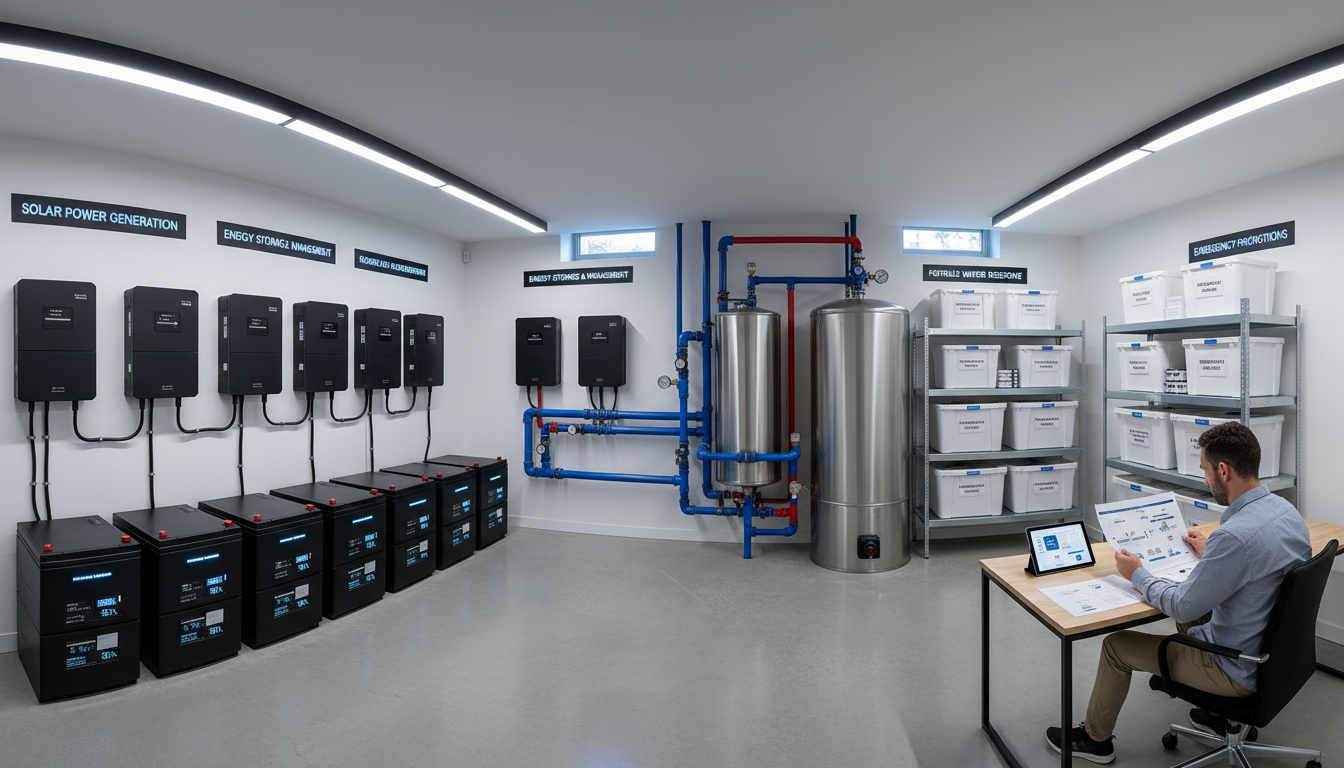
Winter storms can lead to power outages, so it's wise to be prepared. Keep flashlights, batteries, and a battery-operated radio on hand to stay informed about weather updates. Consider investing in a portable generator to maintain power during outages, but ensure it's used safely by following the manufacturer's instructions and keeping it outdoors to prevent carbon monoxide poisoning.
By taking these electrical safety precautions, you can ensure a safer and more comfortable home environment during the winter months. Regular maintenance and mindful use of electrical devices not only protect your home but also provide peace of mind as you enjoy the season's festivities.