
How to Troubleshoot Common Electrical Issues at Home: A Barrie Electrician's Advice


Understanding Your Electrical System
When dealing with electrical issues at home, it's essential to have a basic understanding of your electrical system. This knowledge can help you identify problems quickly and decide when to call a professional. Your home's electrical system is composed of circuits, breakers, and wiring that distribute power to various outlets and appliances.
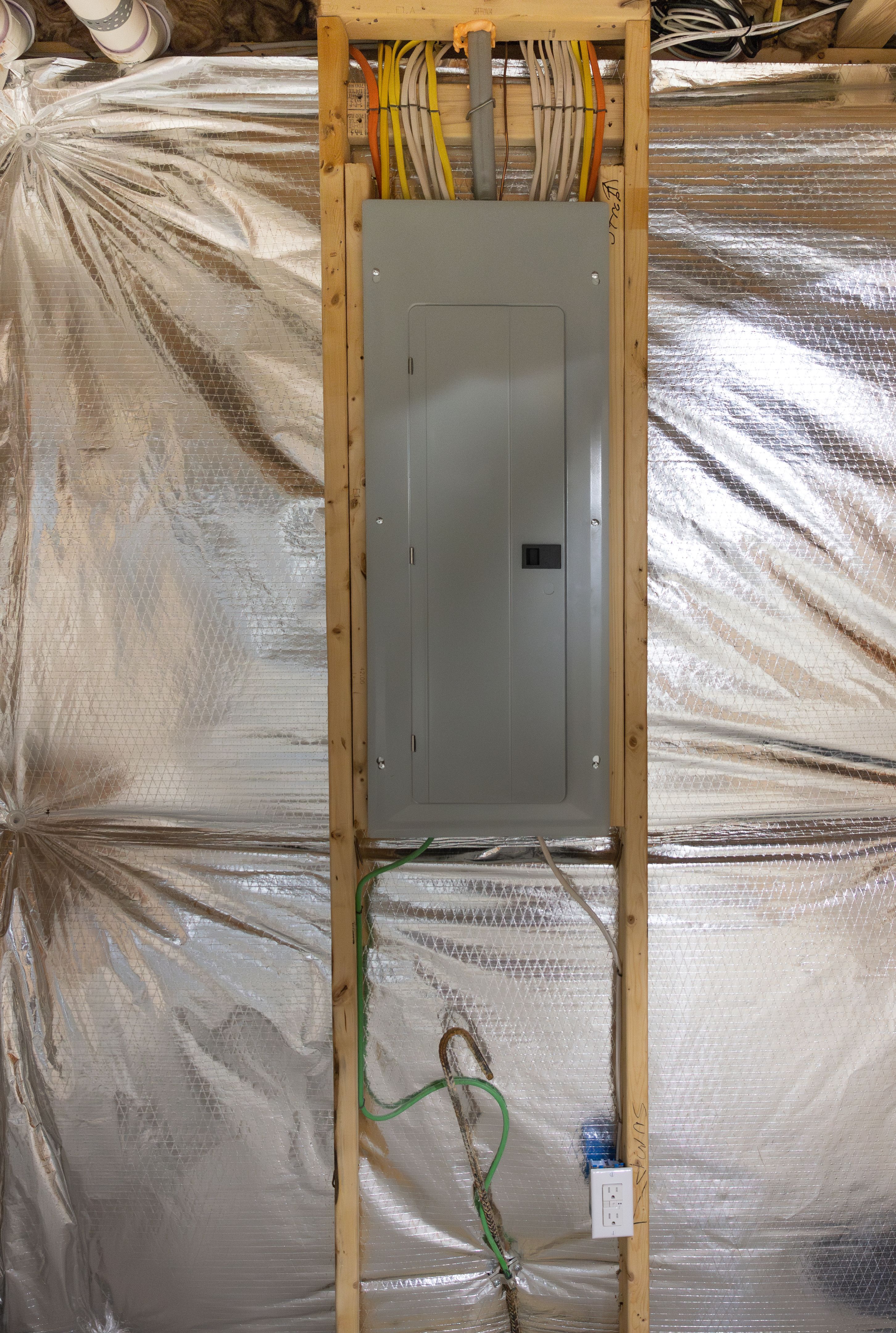
Knowing the location of your circuit breaker panel and how to reset a tripped breaker is fundamental. It’s usually found in the basement, garage, or a utility room. Make sure all family members know its location and how to operate it safely.
Identifying Common Electrical Problems
Some electrical issues are more common than others. Flickering lights, for example, can indicate a loose connection. If only one fixture is flickering, it may be a problem with the bulb or fixture. However, if multiple lights flicker, it could be a more serious issue with the wiring.
Power Outages in Specific Areas
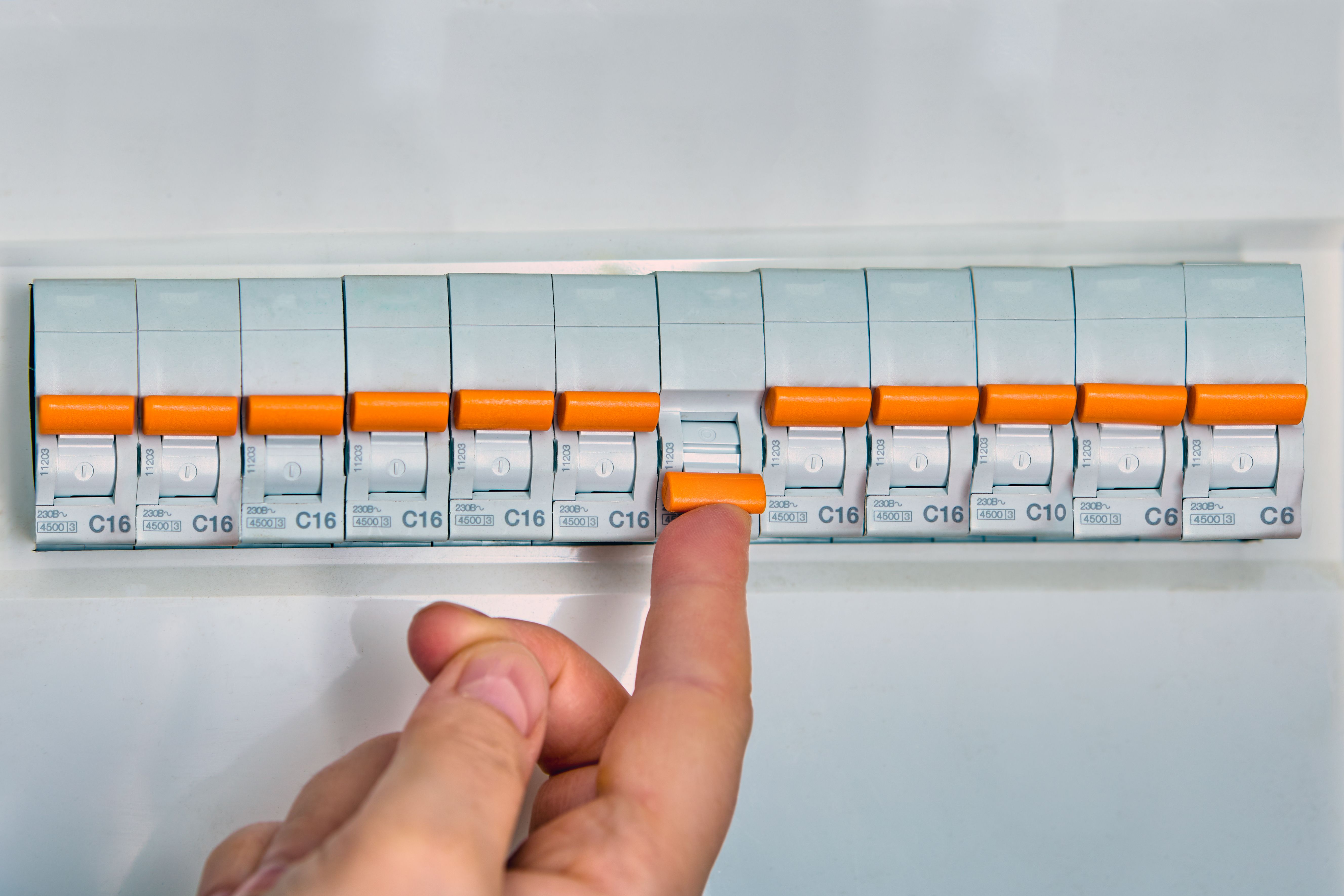
If you experience a power outage confined to one area of your house, it may be due to a tripped circuit breaker or a blown fuse. Check your breaker panel to see if any switches have flipped to the "off" position. Resetting the breaker may resolve the issue.
Troubleshooting Techniques
When troubleshooting, start by turning off all appliances and lights on the affected circuit. Reset the breaker by switching it completely off and then back on. If the breaker trips again, you might be dealing with a short circuit or overloaded circuit.
Dealing with Overloaded Circuits
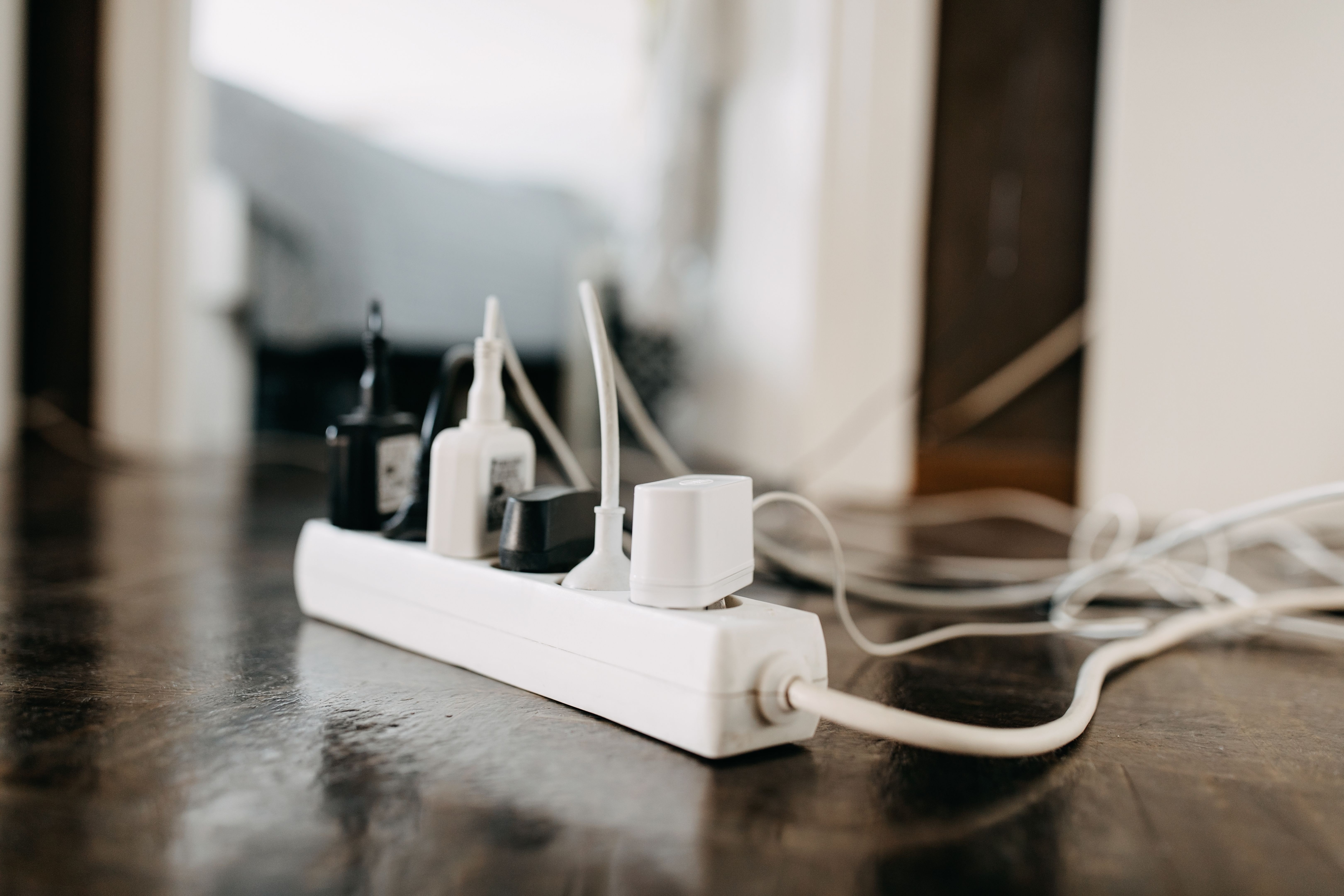
An overloaded circuit is caused when too many devices are plugged in and drawing power from the same circuit. Unplug some devices and redistribute them to other circuits to prevent this issue. Using power strips with built-in circuit breakers can also help manage loads.
Safety Precautions
Always prioritize safety when dealing with electrical issues. If you're unsure about handling a problem, it's best to consult a professional electrician. Never attempt to fix electrical issues if you're unfamiliar with electrical systems, as this can pose serious risks.
Remember to use insulated tools and wear rubber-soled shoes when inspecting your electrical system. Avoid working on electrical problems in wet conditions to minimize the risk of electric shock.
When to Call a Professional
Some electrical problems are best left to professionals. If you notice persistent issues such as frequent breaker trips, burning smells, or sparking outlets, contact a licensed electrician immediately. These could be signs of significant underlying problems.
Regular maintenance and inspections by a professional can prevent many issues and ensure your home’s electrical system operates safely and efficiently.