
How to Avoid Common Electrical Problems in Older Homes


Understanding the Electrical System in Older Homes
Older homes have a unique charm, but they can also come with a set of challenges, especially when it comes to electrical systems. Understanding the basics of your home's electrical setup is crucial to identifying and avoiding potential problems. Homes built before the 1970s may have outdated wiring systems that aren't equipped to handle modern electrical loads.
One of the most common issues in older homes is the presence of knob-and-tube wiring. While this type of wiring was standard in the early 20th century, it lacks the insulation and grounding necessary for today's electrical demands. Regular inspections can help identify whether this outdated wiring is present.
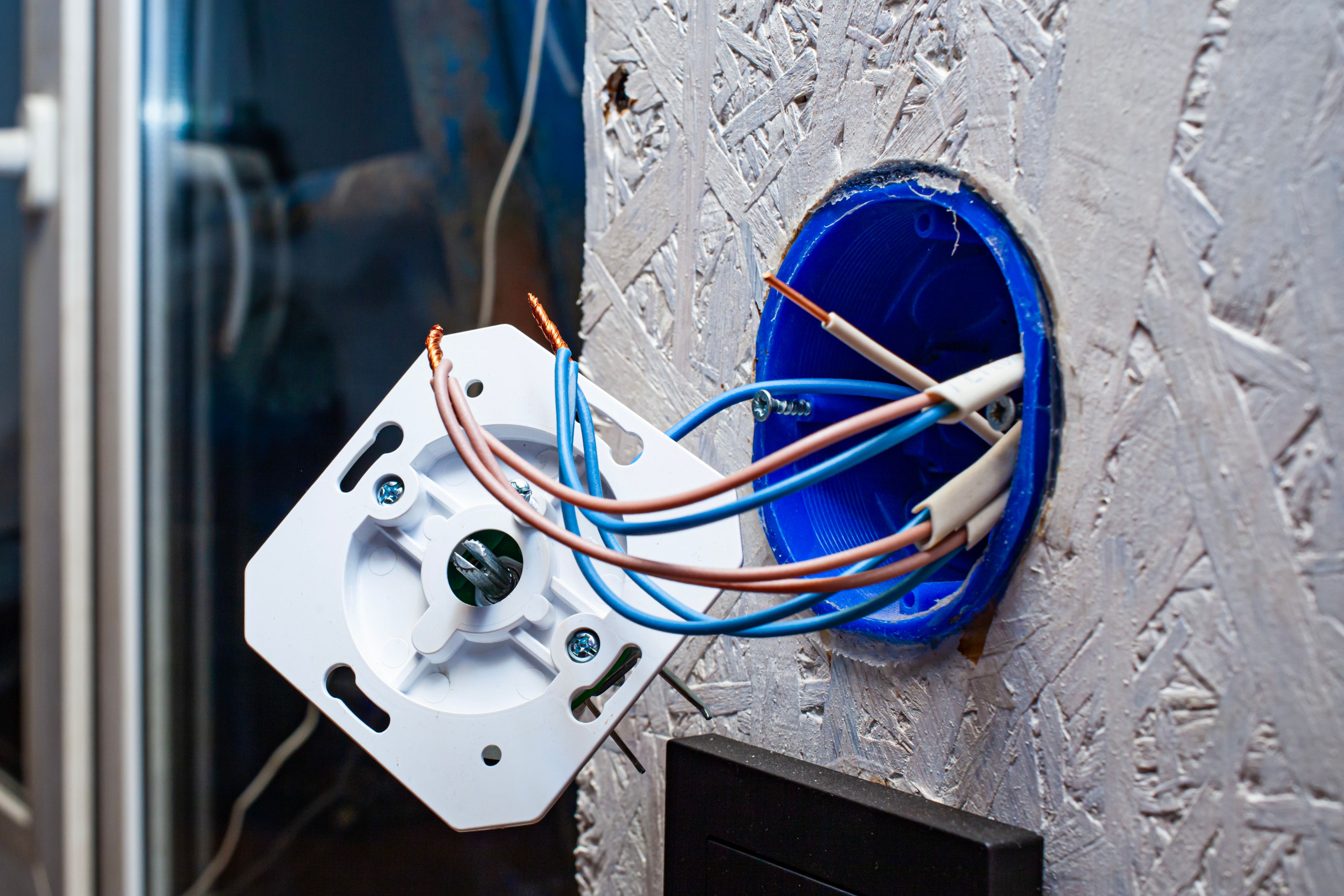
Signs of Electrical Problems
Recognizing the signs of electrical issues early can prevent more serious problems. Look out for flickering lights, which may indicate loose connections, or circuit breakers that frequently trip. These are signs that your electrical system may be overloaded or failing.
Another warning sign is an unusual burning smell, which could indicate overheating wires. If you notice this, it's important to contact a licensed electrician immediately to avoid potential fire hazards. Additionally, buzzing sounds from outlets or switches can signal wiring problems.
Preventative Measures
To avoid common electrical problems in older homes, regular maintenance and inspections are essential. Hire a qualified electrician to assess your wiring, especially if your home is over 50 years old. They can identify outdated or damaged wiring and recommend necessary upgrades.
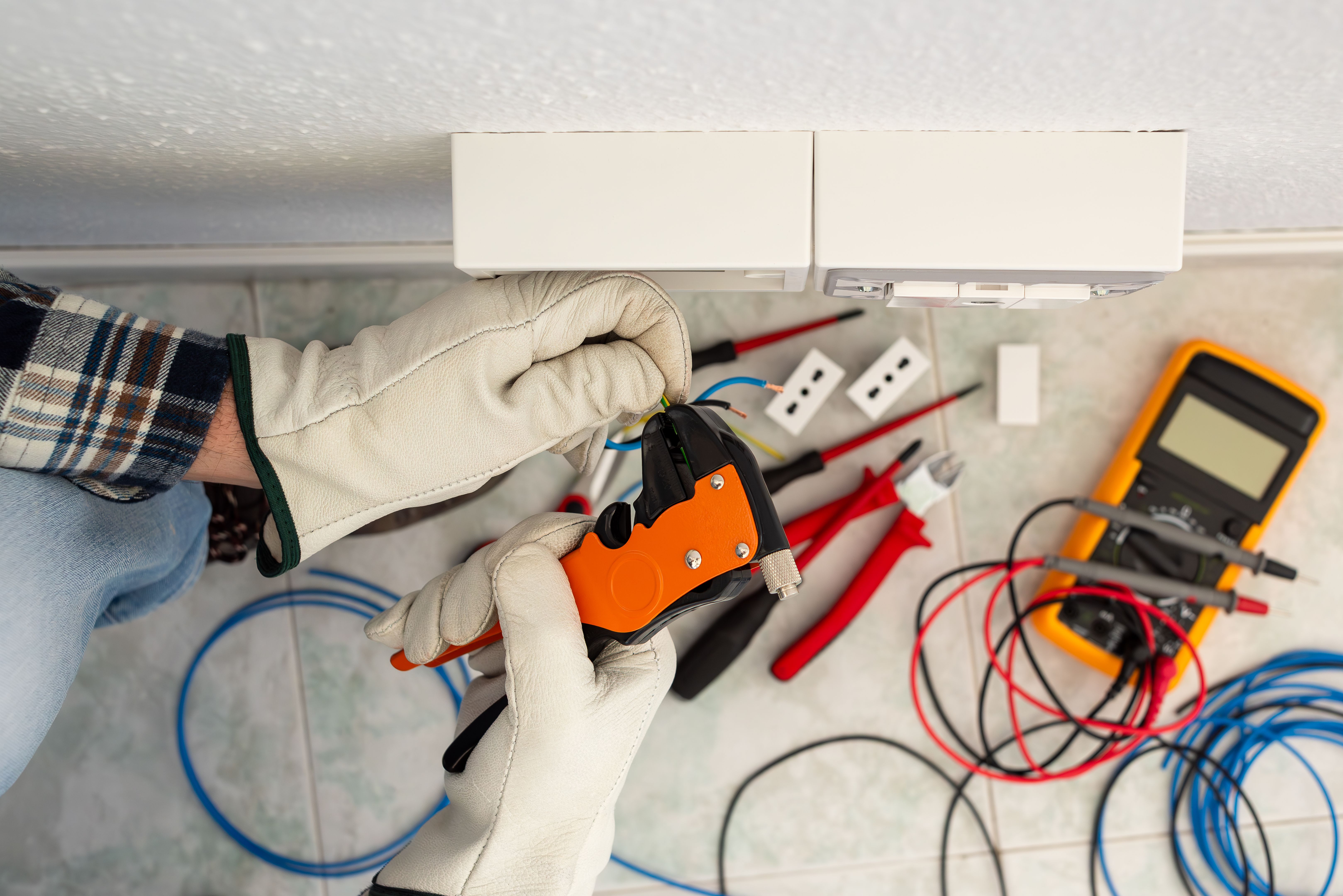
Installing Ground Fault Circuit Interrupters (GFCIs) in areas with high moisture, such as bathrooms and kitchens, is another effective preventative measure. These devices help protect against electrical shock and are a must-have for safety.
Upgrading Your Electrical System
Sometimes, avoiding electrical problems in older homes means investing in upgrades. Consider replacing old electrical panels with modern circuit breaker systems. This change not only improves safety but can also increase the efficiency of your electrical system.
- Upgrade outlets to accommodate modern appliances.
- Rewire to eliminate outdated materials like aluminum wiring.
- Install additional circuits to prevent overloads.
Consulting with Professionals
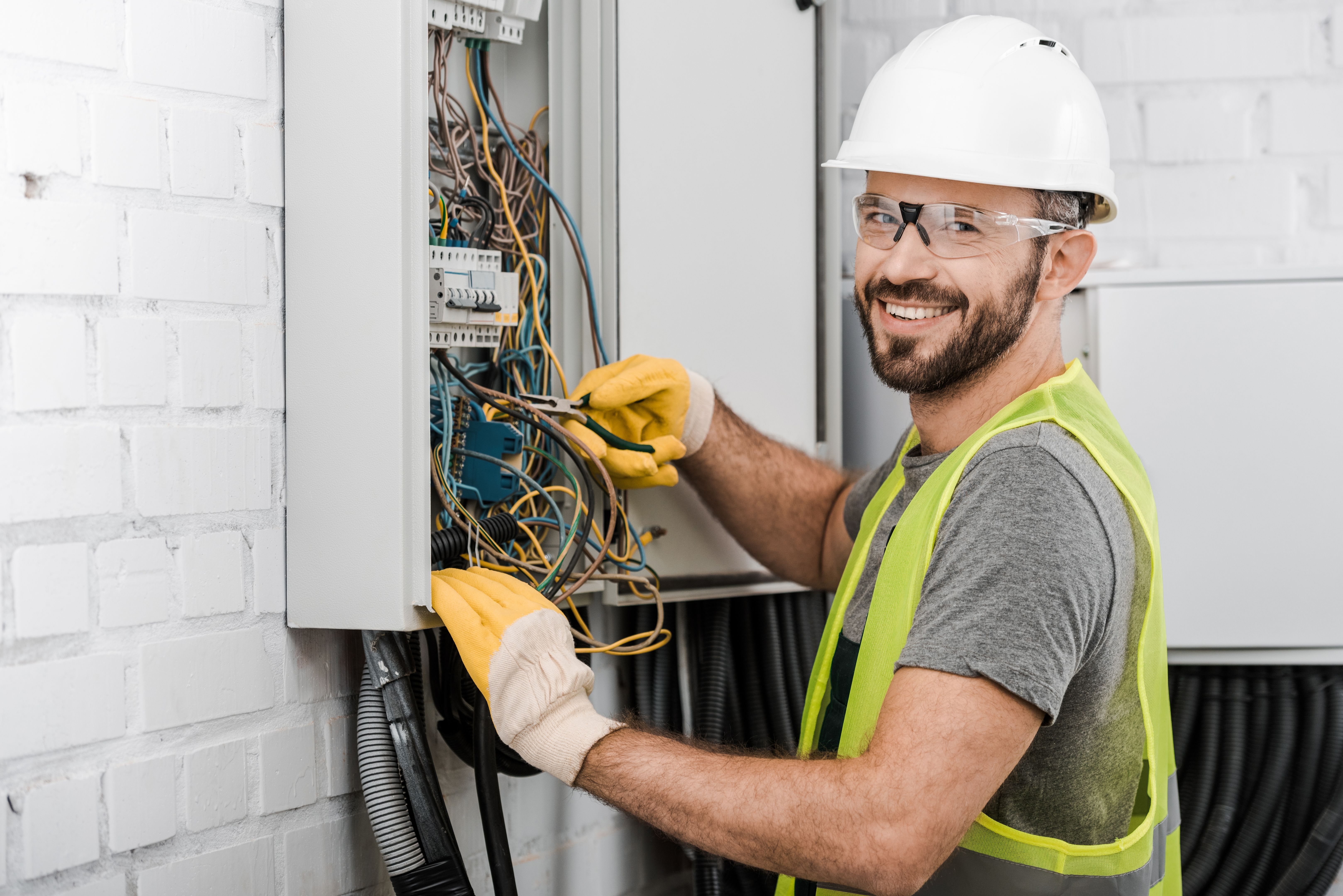
When dealing with electrical issues, always consult with a professional electrician. Attempting DIY fixes can be dangerous and lead to more severe problems. Professionals have the tools and knowledge to safely assess and repair your electrical system.
Finally, consider having a licensed electrician on your contact list for emergencies. Having a trusted professional available can provide peace of mind and ensure your home remains safe and functional.