
DIY Guide: Troubleshooting Common Electrical Issues Safely


Tackling electrical issues at home can seem daunting, but with the right guidance, you can address many common problems safely. This DIY guide will help you troubleshoot frequent electrical issues, ensuring your home remains safe and functional. However, always remember to prioritize safety and seek professional help if needed.
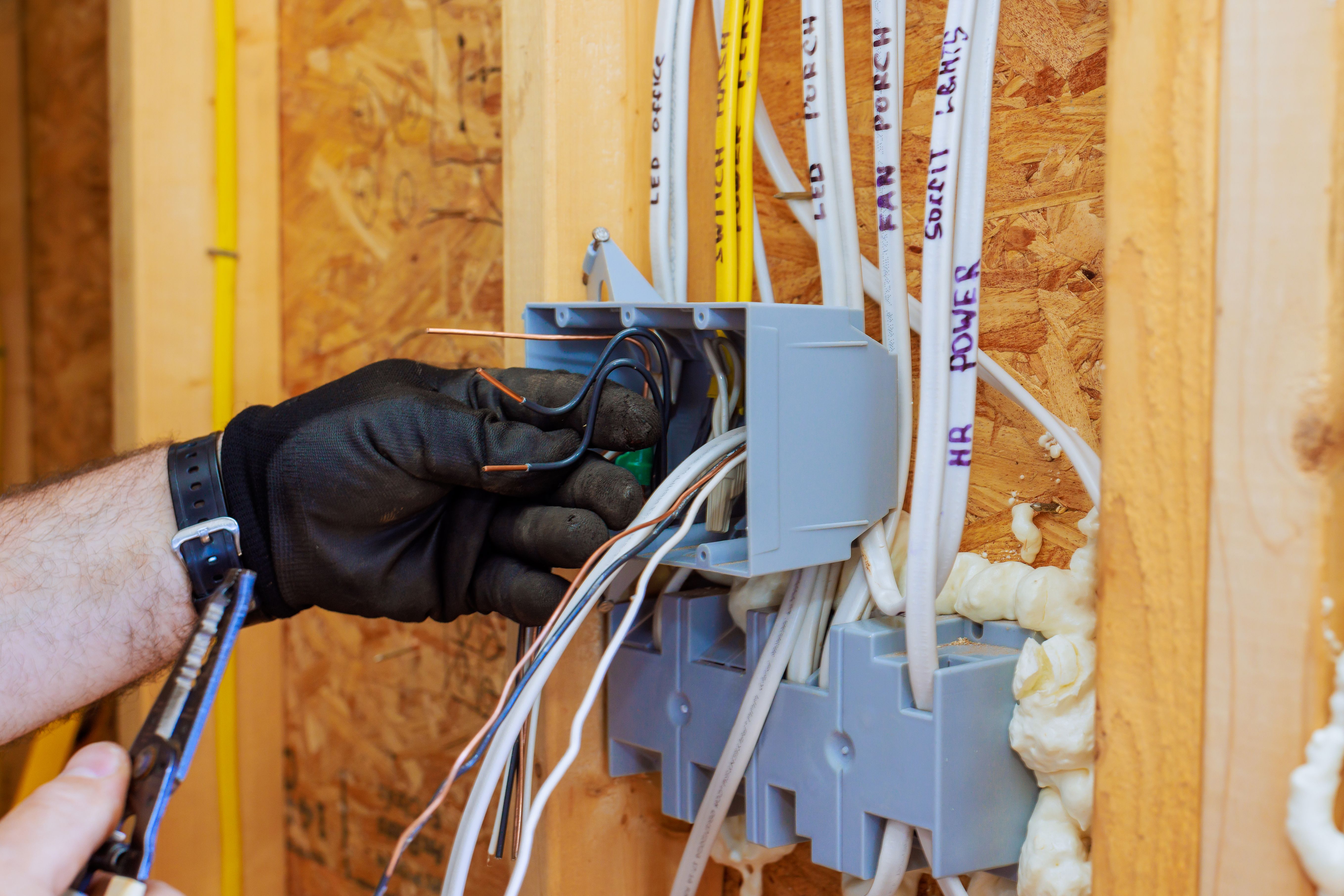
Understanding Circuit Breakers
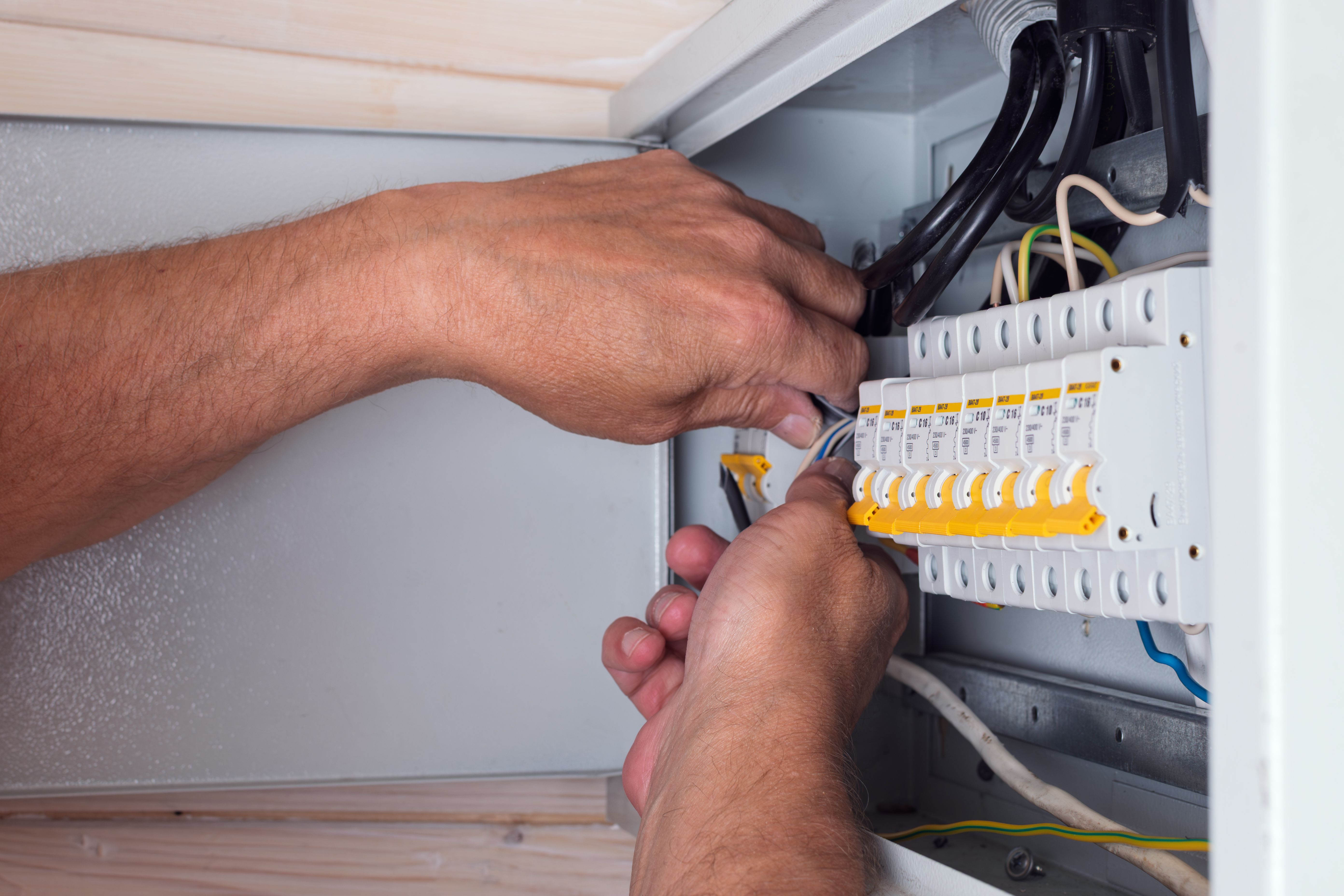
Circuit breakers are crucial for managing your home's electrical system. If you experience a sudden loss of power in a specific area, it might be due to a tripped breaker. Begin by locating your electrical panel and identifying any switches that are not in line with the rest.
Resetting a Tripped Breaker
To reset a tripped breaker, switch it to the "Off" position before flipping it back to "On." This simple action can restore power to the affected area. If the breaker trips again immediately, there may be a deeper issue requiring professional assessment.
Dealing with Flickering Lights
Flickering lights can be more than just a nuisance; they might indicate a loose connection or a faulty fixture. Start by checking the light bulb to ensure it is securely screwed in and compatible with the fixture.
Inspecting Light Fixtures
Turn off the power to the fixture before inspecting it. Look for any loose wires or signs of damage. If you're comfortable, tighten any connections. However, if the flickering persists, consider replacing the fixture or consulting with an electrician.

Addressing Dead Outlets
A dead outlet can disrupt your daily routine. Begin by testing the outlet with a different device to rule out an issue with the appliance itself. If the outlet remains unresponsive, it could be due to a tripped GFCI outlet or a breaker issue.
Resetting GFCI Outlets
GFCI outlets are designed to protect against electrical shocks. Locate the "Reset" button on the outlet and press it firmly. If resetting the GFCI doesn't restore power, check your circuit breaker or consult a professional for further assistance.
Managing Overloaded Circuits
Overloaded circuits occur when too many devices draw power from the same source. This can lead to frequent tripping of breakers. To prevent this, distribute high-energy appliances across different circuits.
Identifying Overloading Issues
Unplug unnecessary devices and see if the problem persists. Consider using energy-efficient appliances and installing additional circuits if overloading remains an issue. This proactive approach can help maintain a stable electrical system.
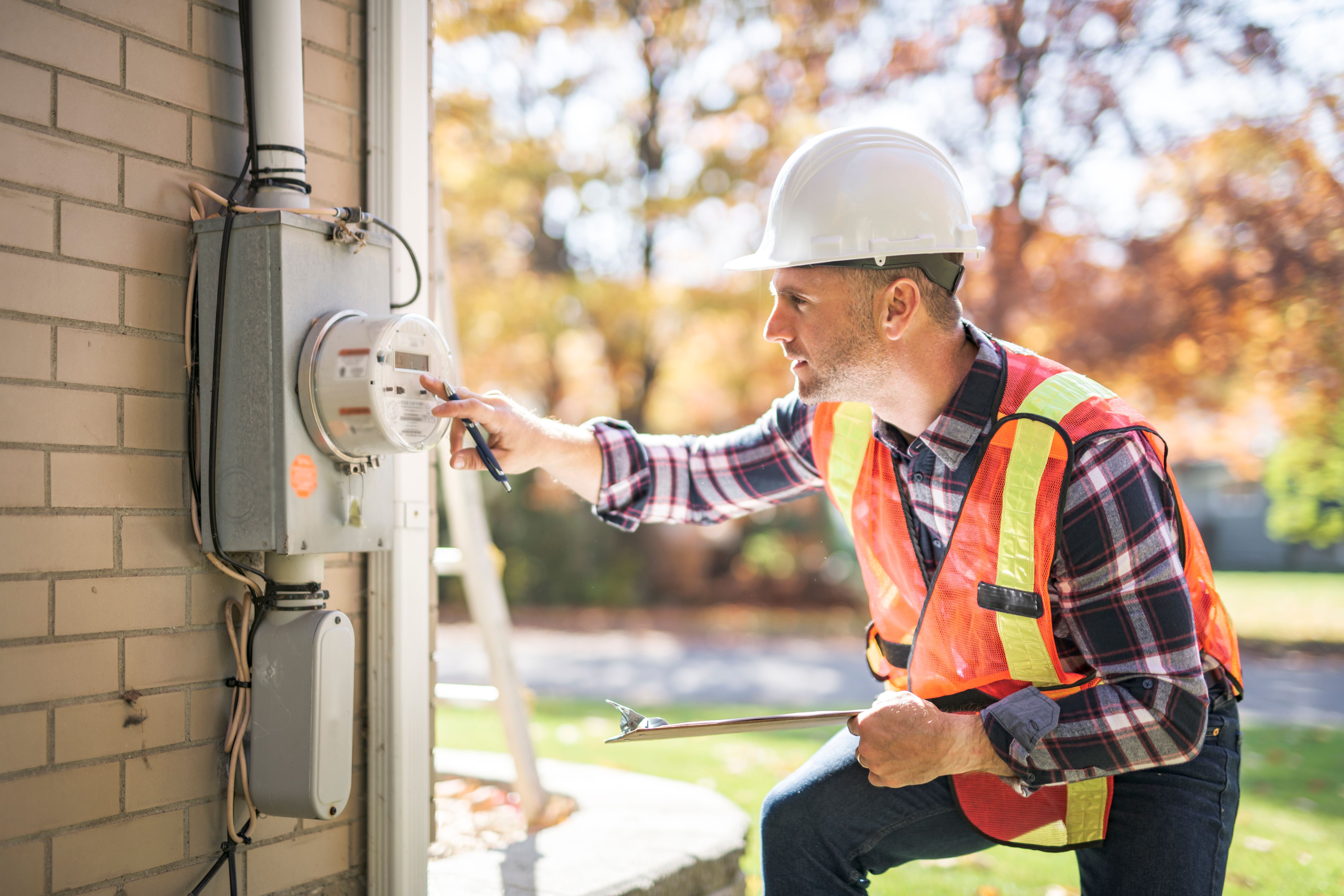
By understanding these common electrical issues and knowing how to address them safely, you can maintain a functional and secure home environment. Always prioritize safety and consult a professional for complex problems beyond your expertise.