
DIY Electrical Safety Tips for Homeowners in Barrie


As a homeowner in Barrie, undertaking DIY electrical projects can be both rewarding and cost-effective. However, it's crucial to prioritize safety to prevent potential hazards. Here are some essential safety tips to keep in mind while handling electrical tasks at home.
Understanding Your Home's Electrical System
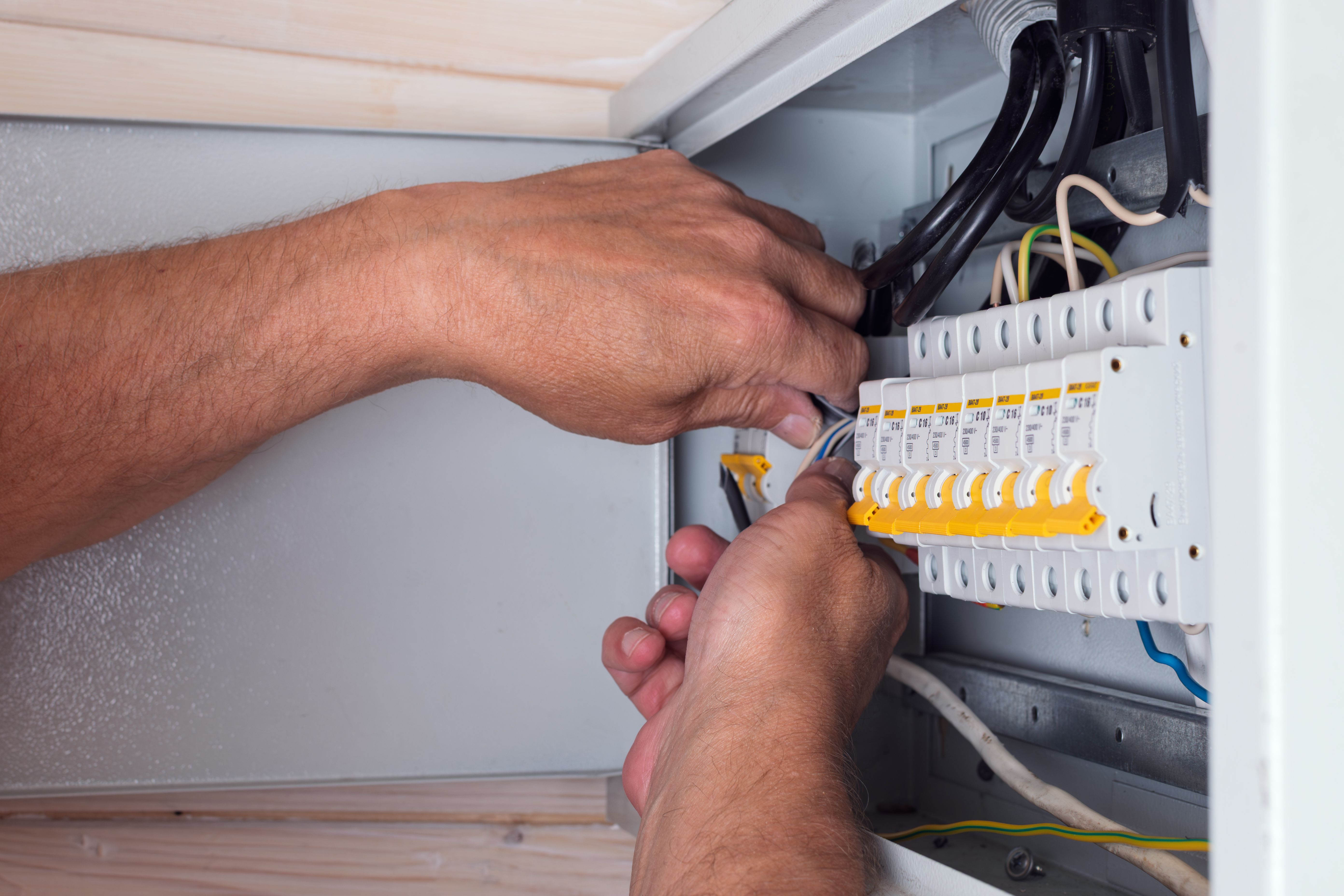
Before diving into any DIY electrical work, it's important to have a basic understanding of your home's electrical system. Familiarize yourself with the circuit breaker panel, which controls the flow of electricity throughout your home. Knowing how to safely turn off power to specific areas is a fundamental safety step.
Additionally, ensure your home is equipped with up-to-date electrical systems. Older homes may require upgrades to handle modern electrical loads safely. Consulting a professional for an assessment can be a wise decision.
Safety Gear and Precautions
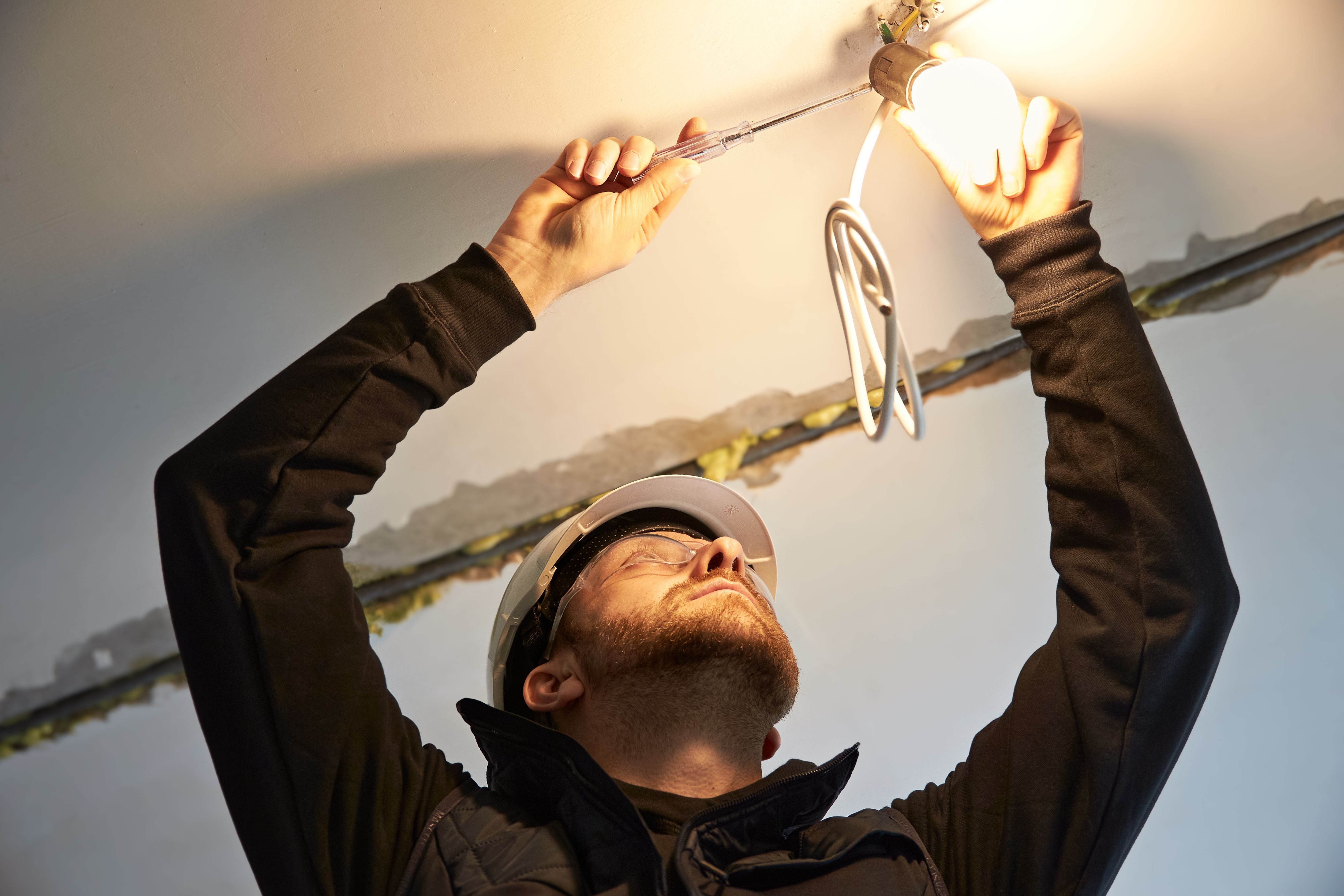
Wearing the right safety gear is essential when performing electrical tasks. Always use insulated tools to prevent electrical shock. Wearing rubber-soled shoes and gloves can add an extra layer of protection. Remember to never work on electrical systems in wet or damp conditions.
It's also advisable to have a voltage tester on hand. This device helps ensure that circuits are not live before you begin working. Test all wires and switches before proceeding with any repairs or installations.

Basic DIY Electrical Tips
Replacing Light Fixtures
When replacing a light fixture, always ensure the power is turned off at the circuit breaker. Remove the existing fixture carefully, and check the wiring for any signs of damage. Connect the new fixture using wire connectors, and make sure all connections are secure before restoring power.
Installing New Outlets
Adding a new outlet can be a practical DIY project. Ensure the power is off before starting. Use a stud finder to locate a suitable space between wall studs. Cut a hole for the electrical box, run the wiring, and securely connect the outlet. Testing your work with a voltage tester before use is crucial.

When to Call a Professional
While many electrical tasks can be safely managed by homeowners, there are times when it's best to call a professional. Complex tasks such as rewiring, installing circuit breakers, or dealing with outdated wiring systems should be left to licensed electricians.
If you're ever unsure about your ability to safely complete an electrical project, it's wise to seek professional assistance. The cost of hiring a professional is a small price to pay for your safety and peace of mind.
Final Thoughts
DIY electrical projects can be fulfilling, but safety must always come first. By understanding your electrical system, using the right tools, and knowing when to call in a professional, you can ensure that your home remains safe and efficient. Always prioritize safety and never hesitate to seek expert guidance when needed.