
Common Electrical Myths Debunked by Professional Electricians


Understanding Common Electrical Myths
Electricity is a complex field that often leads to misunderstandings and myths. These myths can result in unsafe practices and misconceptions about how electricity works. In this post, we’ll debunk some of these common myths with insights from professional electricians.
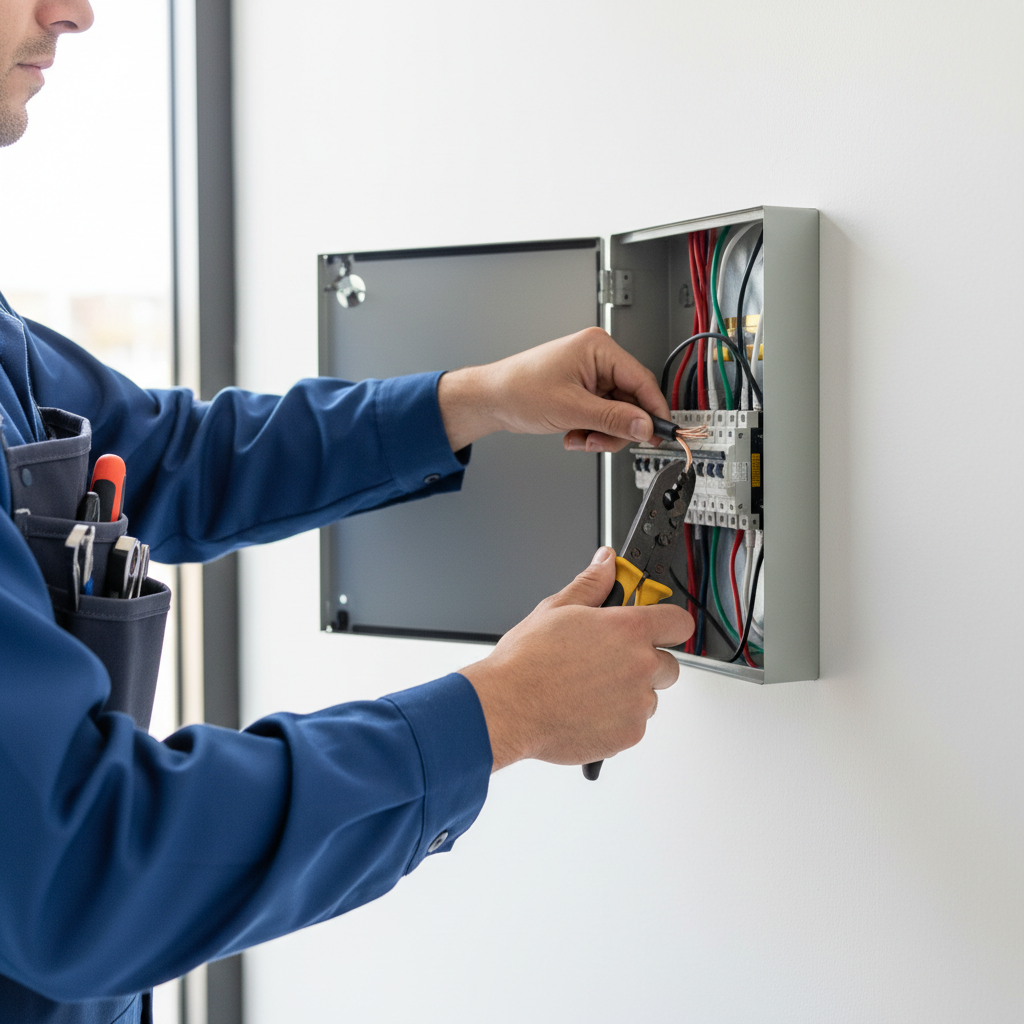
Myth 1: Low Voltage Is Not Dangerous
A common belief is that low voltage systems, such as those used in household electronics, are not dangerous. However, voltage is only part of the equation. The real danger lies in the current. Even low voltage systems can cause harm if the current is high enough. Electricians emphasize that safety measures should always be taken, regardless of the voltage level.
It’s crucial to follow proper safety guidelines and use protective equipment when handling any electrical systems. Always consult a professional electrician if there’s any doubt.
Myth 2: Rubber Gloves Are Always Safe
Many people assume that wearing rubber gloves provides adequate protection against electrical shocks. While rubber is an insulator, not all rubber gloves are created equal. Only specific types of rubber gloves are rated for electrical work. Regular household rubber gloves may not provide the necessary insulation to protect against electrical hazards.
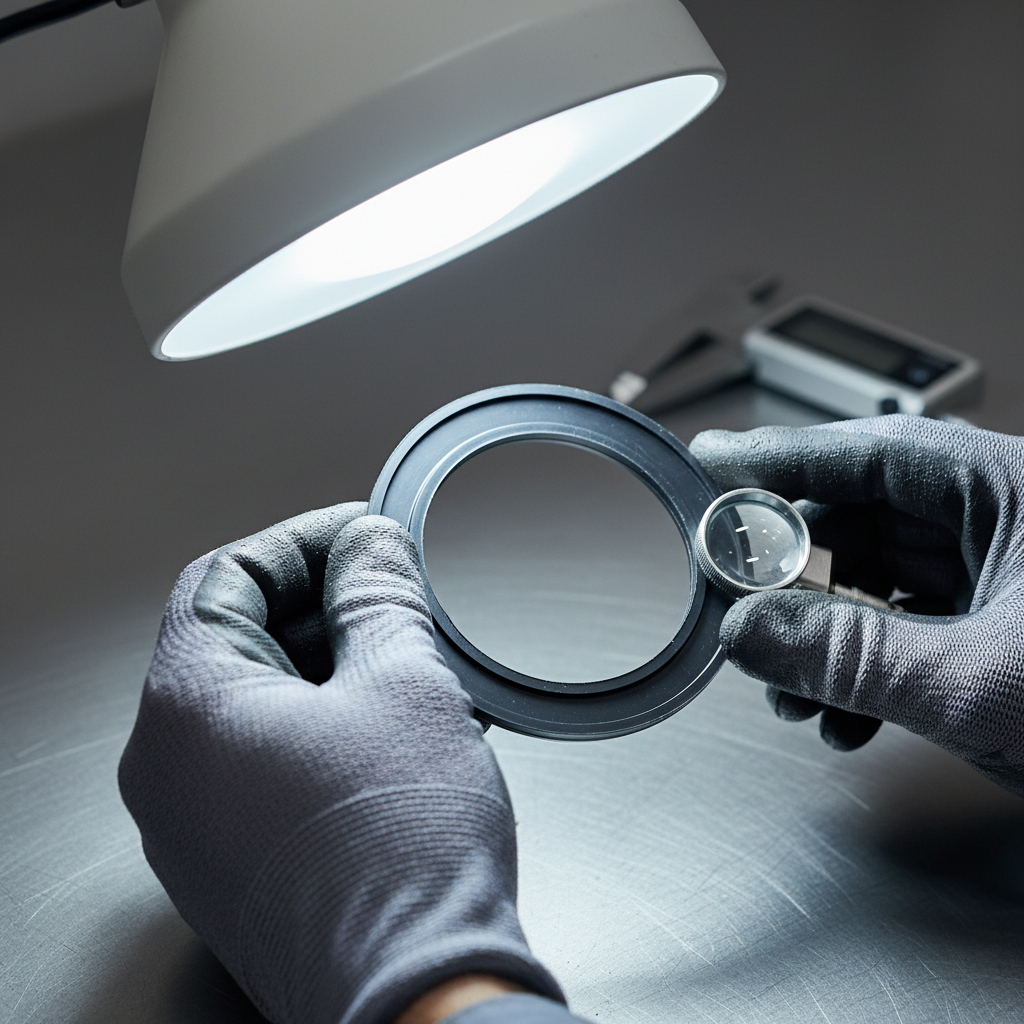
Professional electricians use specially designed gloves that meet industry standards. These gloves undergo rigorous testing to ensure they provide the necessary insulation for electrical work.
Myth 3: Circuit Breakers Protect Against All Electrical Hazards
While circuit breakers are essential for preventing electrical fires by cutting off the current during an overload, they do not protect against all hazards. Circuit breakers cannot detect issues like arc faults or electrical shocks. Additional safety devices like Ground Fault Circuit Interrupters (GFCIs) and Arc Fault Circuit Interrupters (AFCIs) are necessary to provide comprehensive protection.
Consult with a professional electrician to ensure your home is equipped with the right devices for maximum safety.
Myth 4: All Power Strips Are Surge Protectors
It's a common misconception that all power strips offer surge protection. In reality, many power strips do not include surge protection features. Surge protectors are specifically designed to protect electronic devices from voltage spikes, whereas standard power strips merely provide additional outlets.

When purchasing power strips, look for ones labeled as surge protectors. This ensures your devices have an added layer of protection against electrical surges.
Myth 5: Flickering Lights Are Normal
Occasional flickering lights might seem harmless, but they can indicate underlying electrical issues. Flickering can be caused by various factors such as loose wiring, faulty fixtures, or overloaded circuits. Continuous flickering should not be ignored and warrants a professional inspection.
Electricians stress the importance of addressing flickering lights promptly to prevent potential safety hazards, including electrical fires.
Consulting Professionals for Electrical Safety
Professional electricians are equipped with the knowledge and tools to debunk these myths and ensure electrical safety. Always prioritize safety and consult with experts when dealing with electrical systems. Debunking these myths helps create a safer environment for everyone.